Organize Your Fridge: Create Order And Space With These 8 Tips
- Mar 11, 2023
- 3 min read
Organizing your refrigerator can save you time, money and food waste. A well-organized refrigerator makes it easier to find what you need.
11 March 2023

Organizing your fridge is not a one-time event. It's important to maintain your organization system on a regular basis. Take a few minutes each week to check expiration dates and toss out any expired items. Also, rearrange items as needed to make sure everything stays organized.
In conclusion, organizing your fridge is a simple task that can save you time, money, and food waste. By grouping similar items together, keeping frequently used items at eye level, using bins and containers, labeling your items, not overcrowding your fridge, and maintaining your organization system on a regular basis, you can keep your fridge organized and your food fresh.
1. Start With a Clean Slate
The first step in organizing your fridge is to clean it out. Remove all the items from your fridge, and wipe down the shelves and drawers with warm soapy water. This will help remove any spills or bacteria that may have accumulated.

2. Group Similar Items Together
Grouping similar items together makes it easier to find what you need. For example, keep all your dairy products together in one area, such as milk, cheese, and yogurt. This makes it easier to see what you have and what you need to restock.

3. Keep Frequently Used Items at Eye Level
Keep frequently used items, such as milk or condiments, at eye level. This makes them easy to access and helps prevent them from getting lost in the back of the fridge. It's also a good idea to store leftovers in clear containers at eye level, so you remember to eat them before they spoil.

4. Use Bins and Containers
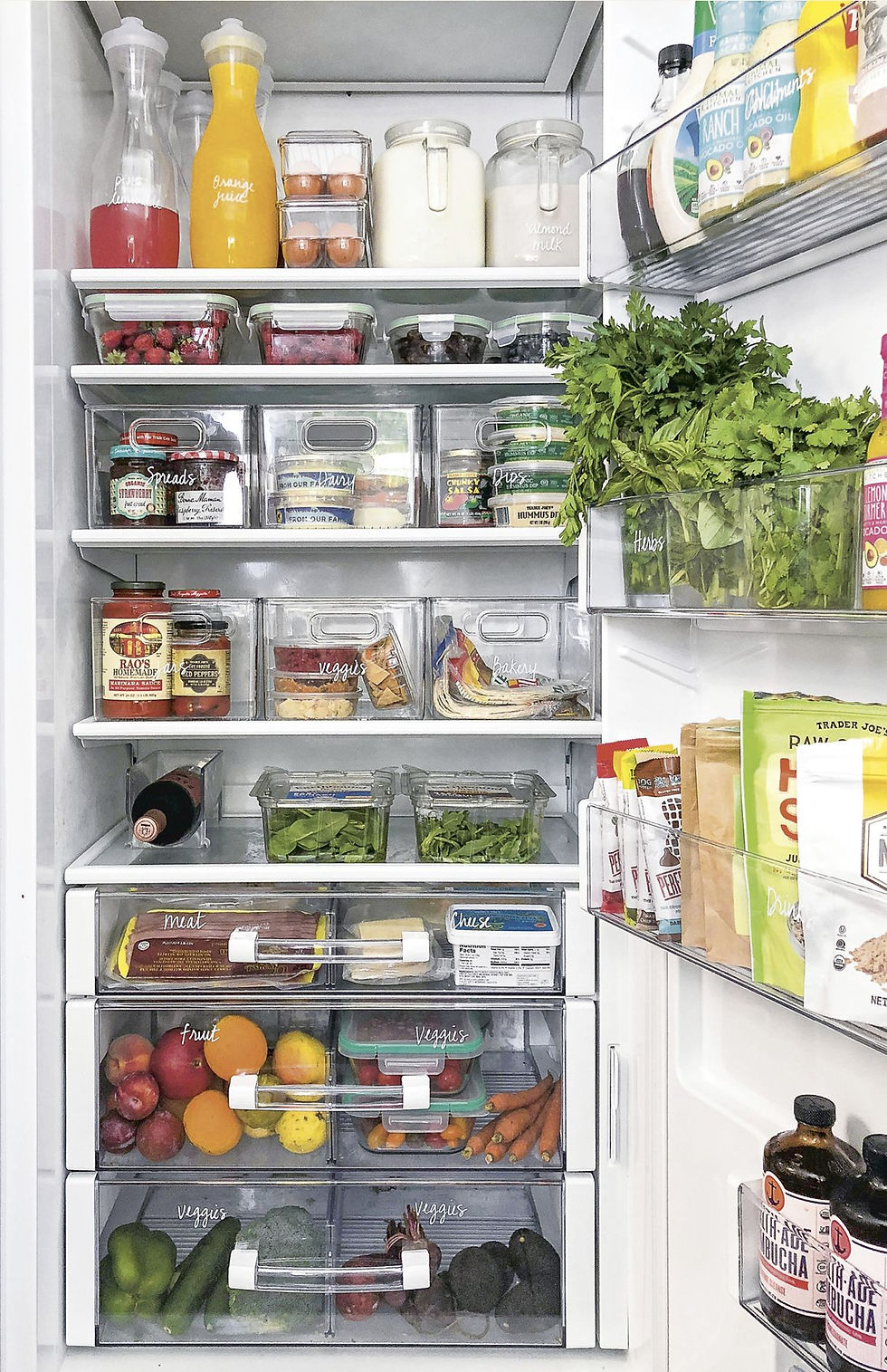
Using bins and containers can help you organize your fridge and make it easier to find what you need. For example, use a bin to store all your fruits and vegetables. This makes it easier to see what you have and helps keep your produce fresh for longer periods of time.

5. Label Your Items
Labeling your items can help you keep track of what you have and when it expires. Use a permanent marker to write the date on items such as leftovers or open packages. This helps you avoid eating spoiled food and prevents food waste.
6. Don’t Overcrowd Your Fridge
Overcrowding your fridge can prevent cold air from circulating properly, which can cause food to spoil faster. Make sure to leave enough space between items and don't stack items too high. This also makes it easier to see what you have in your fridge.

7. Keep Your Fridge Organized on a Regular Basis
Organizing your fridge is not a one-time event. It's important to maintain your organization system on a regular basis. Take a few minutes each week to check expiration dates and toss out any expired items. Also, rearrange items as needed to make sure everything stays organized.

8. Keep Your Refrigerator Organized
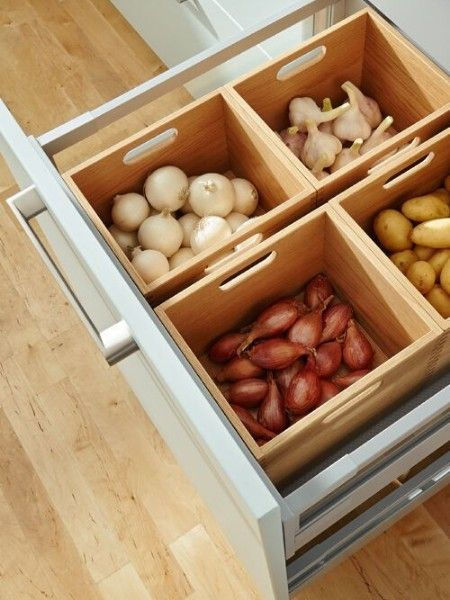
Not all food items belong in the fridge. Some foods can actually be harmed by the cool temperatures and humidity of the fridge, leading to a loss of flavor, texture, and quality. Examples of foods that don't belong in the fridge include whole fruits and vegetables (excluding cut ones), bread, potatoes, onions, garlic, honey, oils, and some types of condiments such as hot sauce, ketchup, and mustard.
It's important to store these items in a cool, dry, and dark place away from direct sunlight and heat sources. By storing your food correctly, you'll ensure that it stays fresh and delicious for longer, while also reducing unnecessary waste.


Comments